
1
Robotics
Industrial robots precisely adapted for garment handling, seam routing, and positioning.
The challenge is not just moving fabric, but creating a stable, monitored and scalable process around an unstable material.
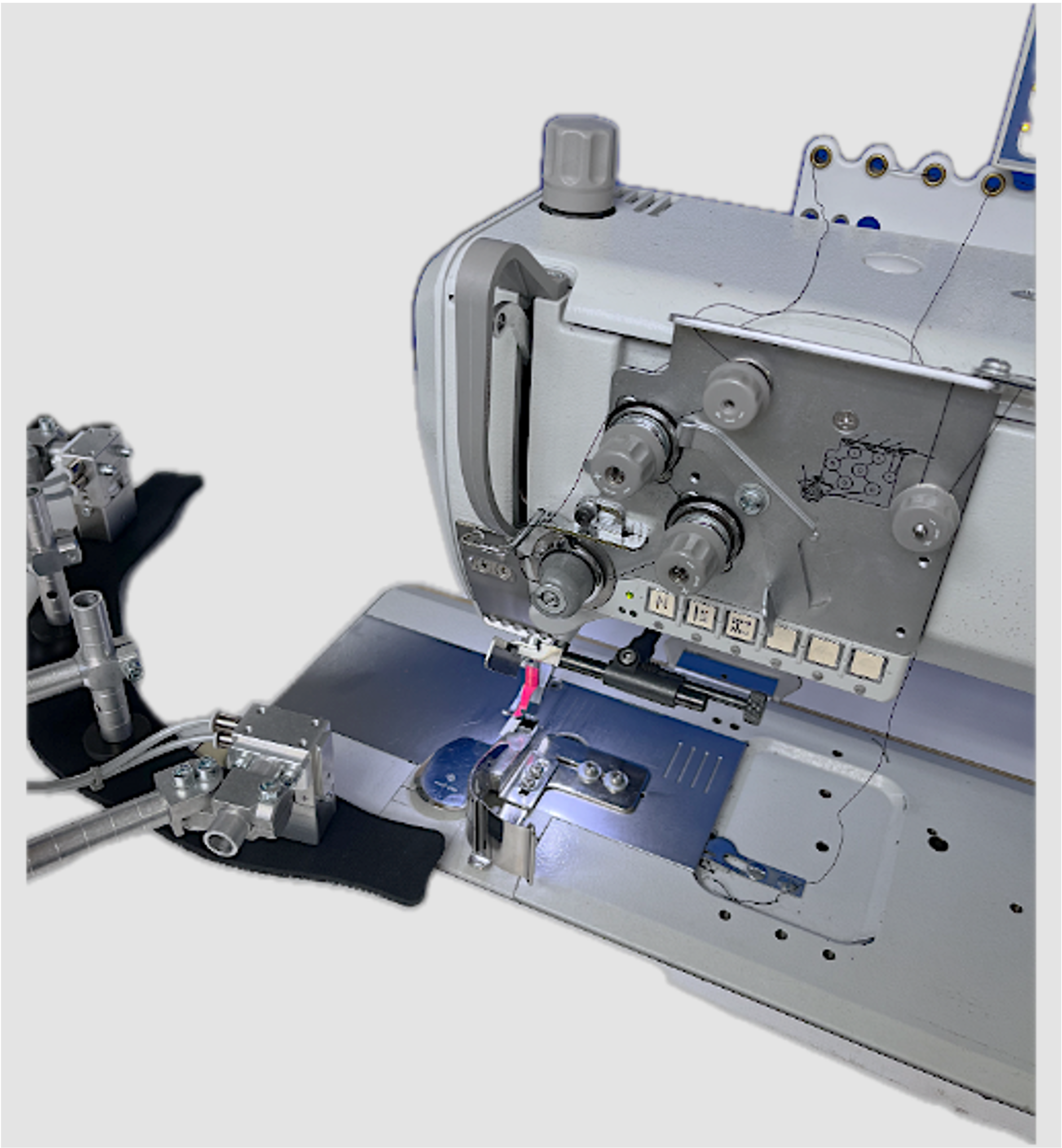
Industrial robots precisely adapted for garment handling, seam routing, and positioning.
Proprietary system managing limp, deformable fabric with industrial repeatability.
AI continuously optimizes robot motion per garment type — adapting in real time.
Digital sequencing ensuring consistent quality, throughput, and production targets.
Live KPIs, anomaly detection, and remote diagnostics for industrial operators.
Supply of textile semi-finished goods.
Controlled gripping and alignment of flexible material.
Textile support during sewing or handling operations.
Sensor input supports process stability and traceability.
Interfaces and software provide visibility beyond one isolated motion.
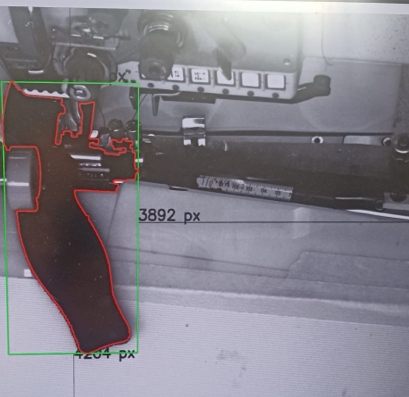
This section highlights how ADOTC uses image analysis and reinforcement learning to improve robotic perception, decision-making and process stability in textile automation. The goal is to enable robots to better interpret flexible material behaviour, adapt to process variation and continuously improve execution quality in real production environments.
ADOTC combines textile engineering, automation technology and industrial implementation. The company develops practical robotic sewing solutions for real manufacturing environments and builds on applied development supported through programmes including EXIST and DBU.










Learn more about ADOTC’s work, pilot use cases and partnership opportunities by getting in touch directly.