
Questions people ask before starting a discussion
The FAQ page gives a concise overview of the questions most often raised by customers, partners and investors and supports a faster first understanding of ADOTC’s approach.
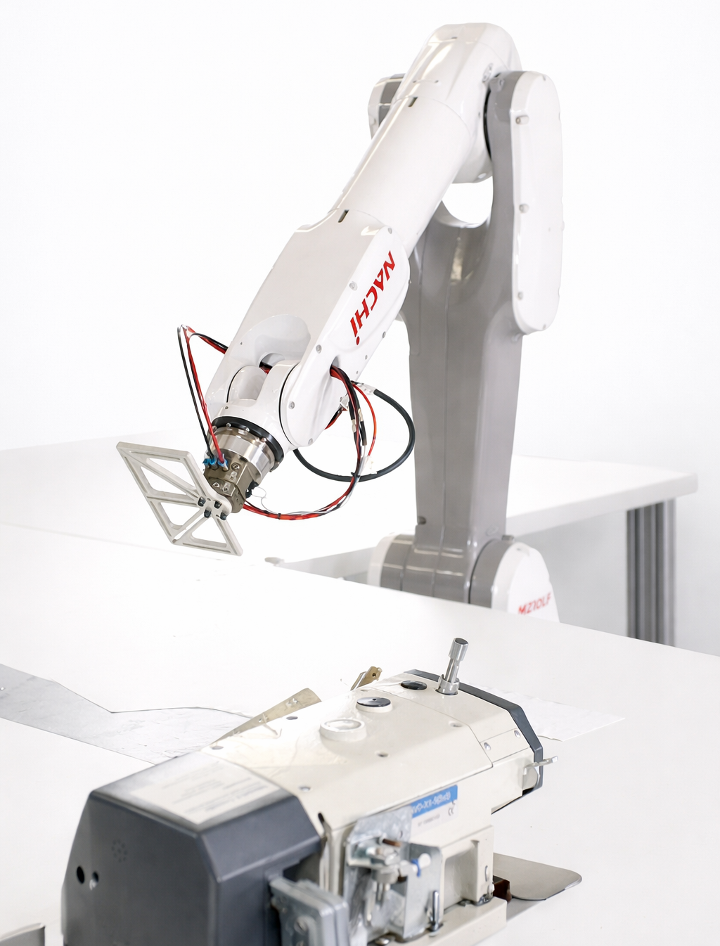
Quick answers
This section provides a practical introduction to the questions most often raised in first conversations with ADOTC. It helps visitors understand the company’s focus, the challenges of textile automation and the types of applications and pilot projects where the approach can be relevant.
What does ADOTC automate?
ADOTC focuses on robotic sewing, textile handling and connected production concepts for demanding textile processes.
Why is textile automation difficult?
Fabrics are flexible and variable. That makes gripping, positioning, guiding and sewing much harder to control than rigid parts in conventional automation.
Which industries can be relevant?
The approach can be relevant for apparel, home textiles, medical textiles and technical textile applications.
Is ADOTC suitable for pilot projects?
Yes. ADOTC is a strong fit for discussions around defined use cases, pilot evaluations and technical feasibility.
How should a potential customer get in touch?
The best path is to discuss the concrete product, seam type or automation challenge via the contact page.
Built on engineering expertise and applied development
ADOTC combines textile engineering, automation technology and industrial implementation. The company develops practical robotic sewing solutions for real manufacturing environments and builds on applied development supported through programmes including EXIST and DBU.
Partners and ecosystem




Funding and programme support



Learn more about ADOTC’s work, pilot use cases and partnership opportunities by getting in touch directly.