
Robotics
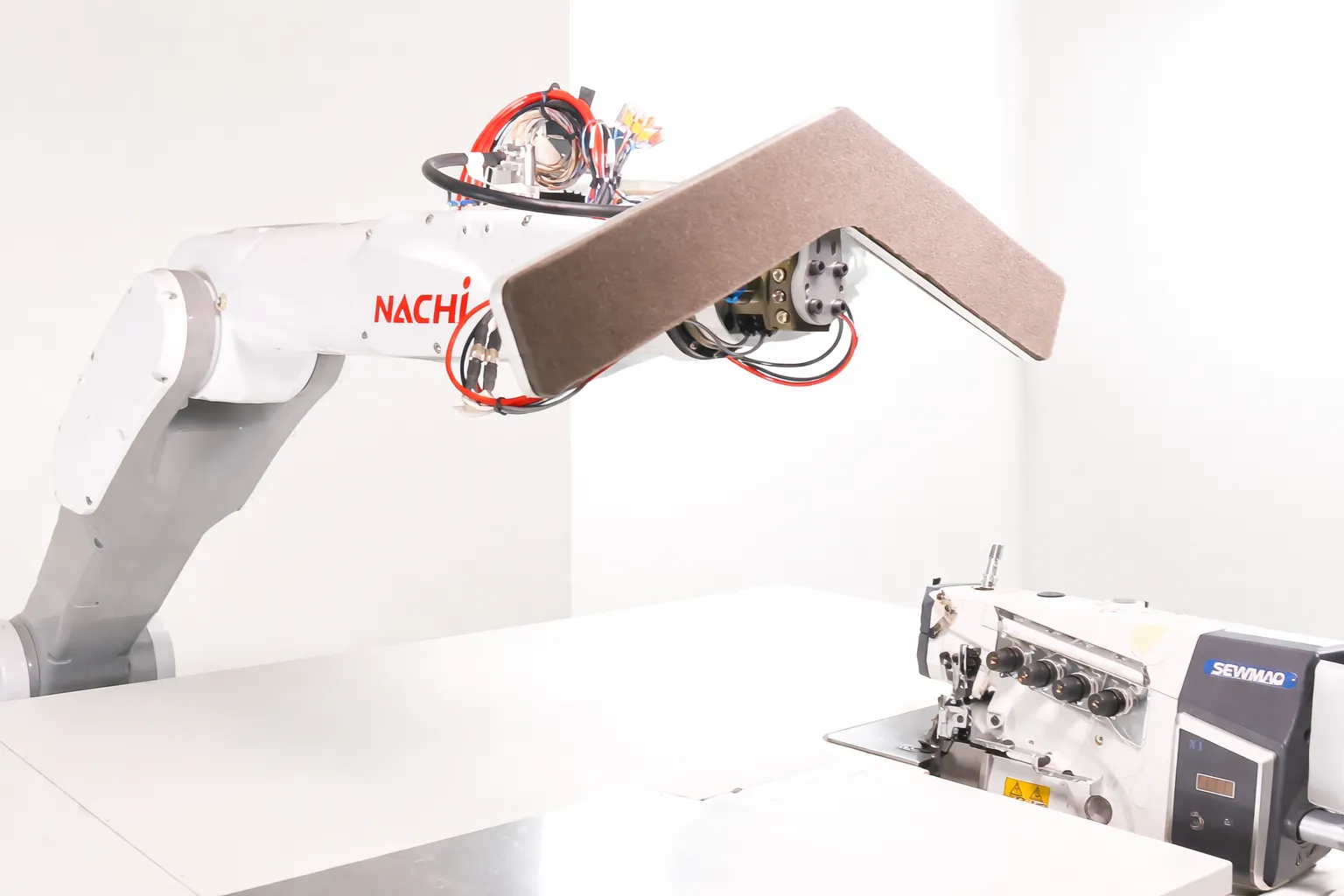
Industrial robots precisely adapted for garment handling, seam routing, and positioning.
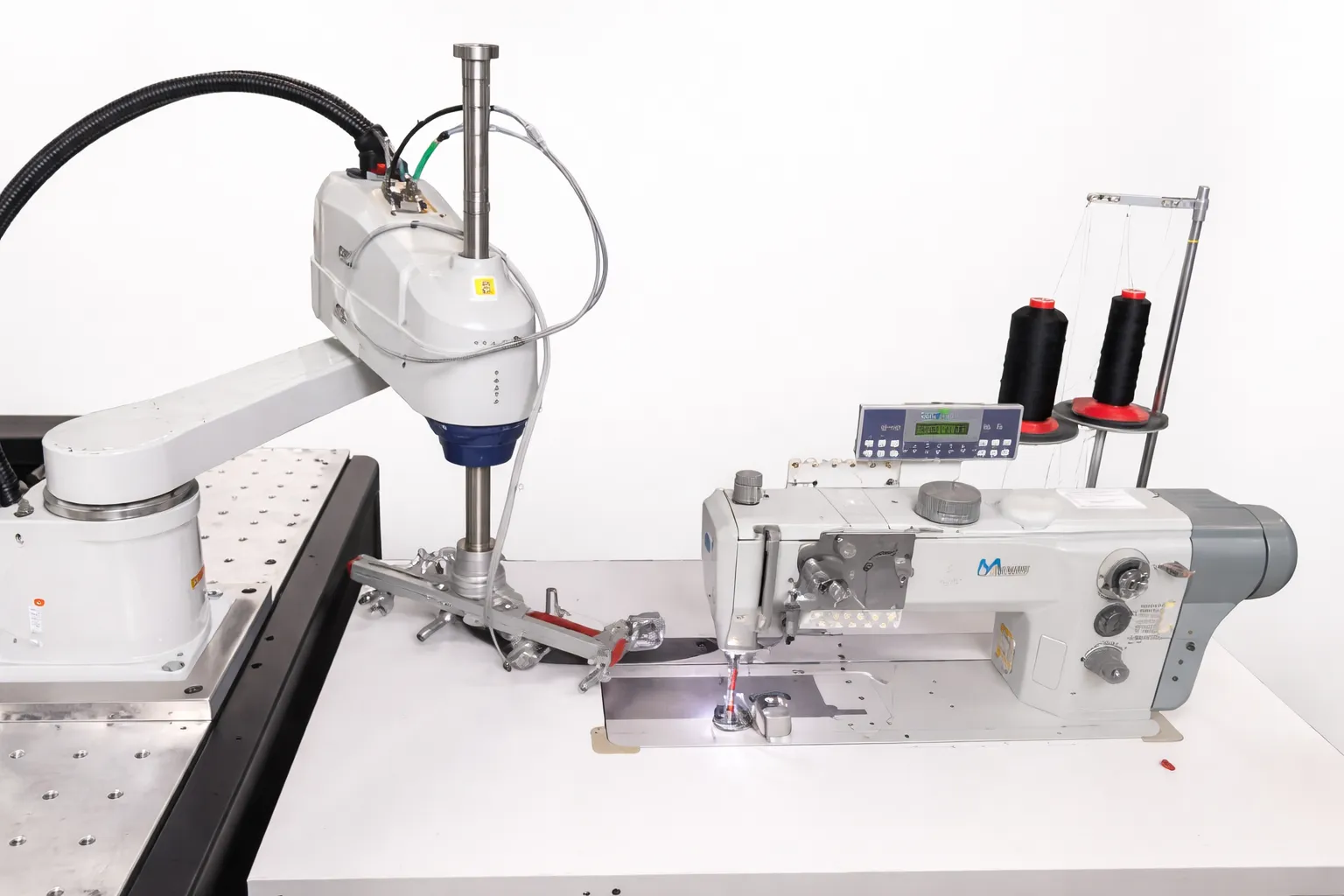
Vision at every stitch — closed-loop control at sewing speed.
The challenge is not just moving fabric, but creating a stable, monitored and scalable process around an unstable material.
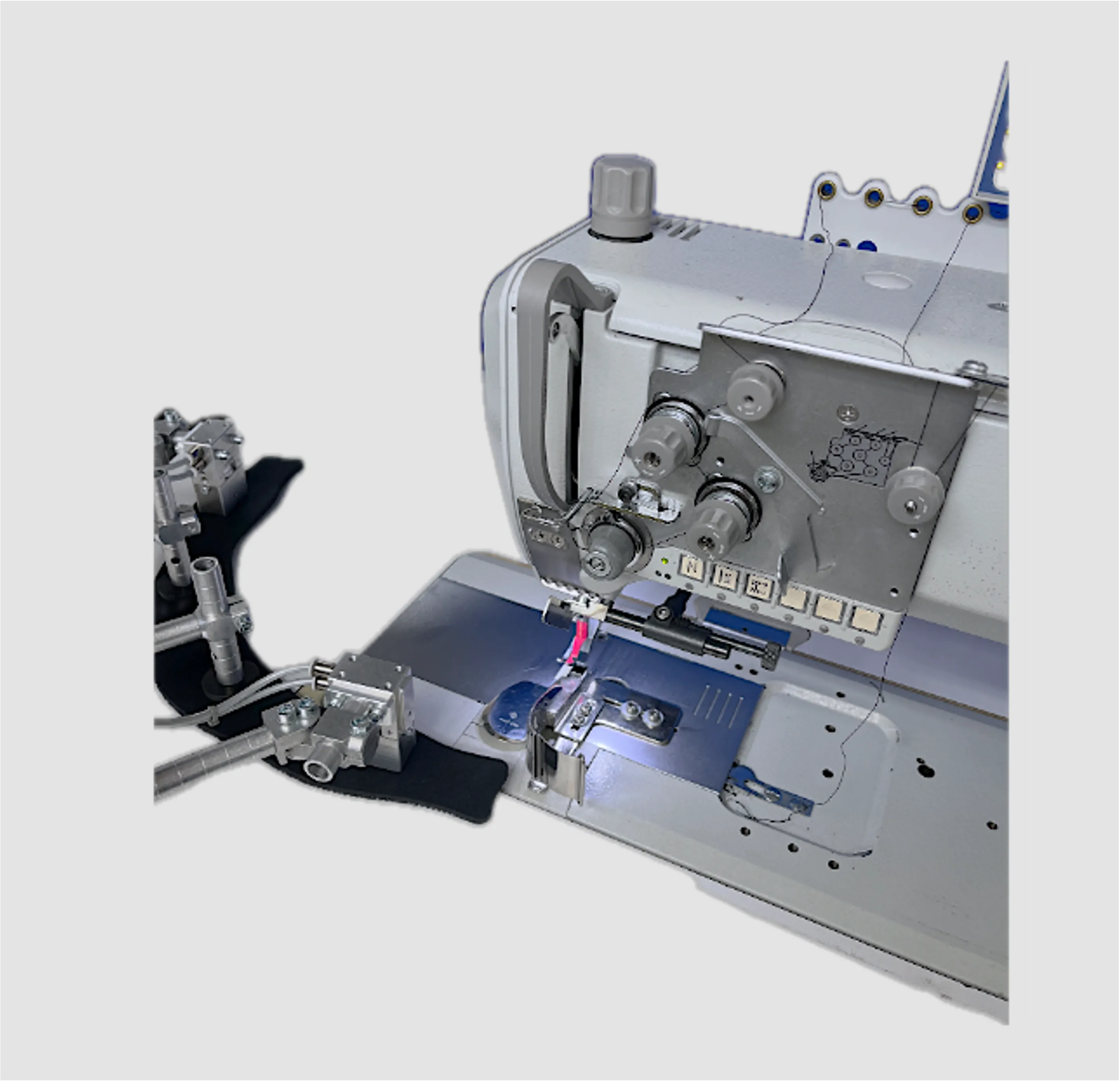
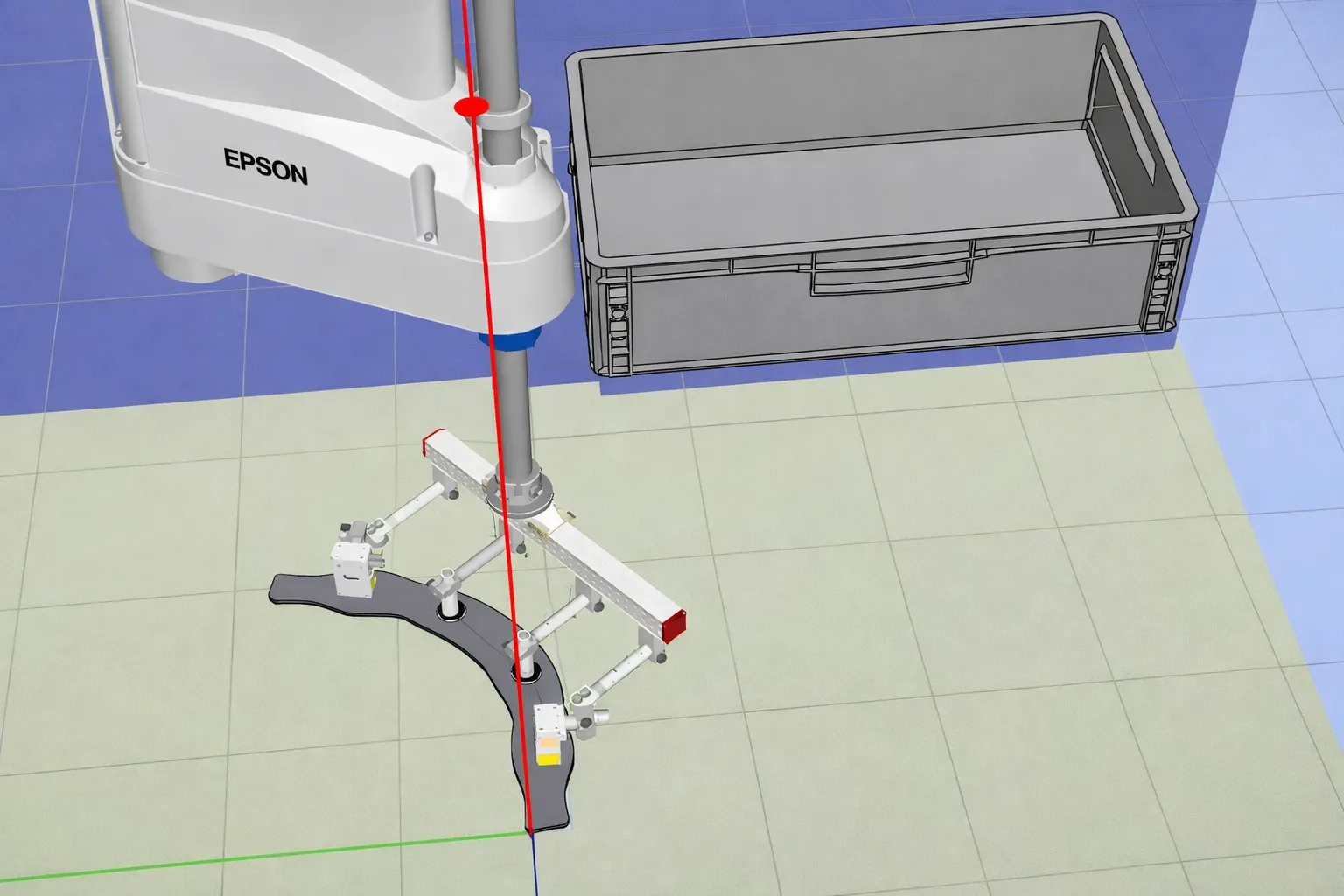
Industrial robots precisely adapted for garment handling, seam routing, and positioning.
Proprietary system managing limp, deformable fabric with industrial repeatability.
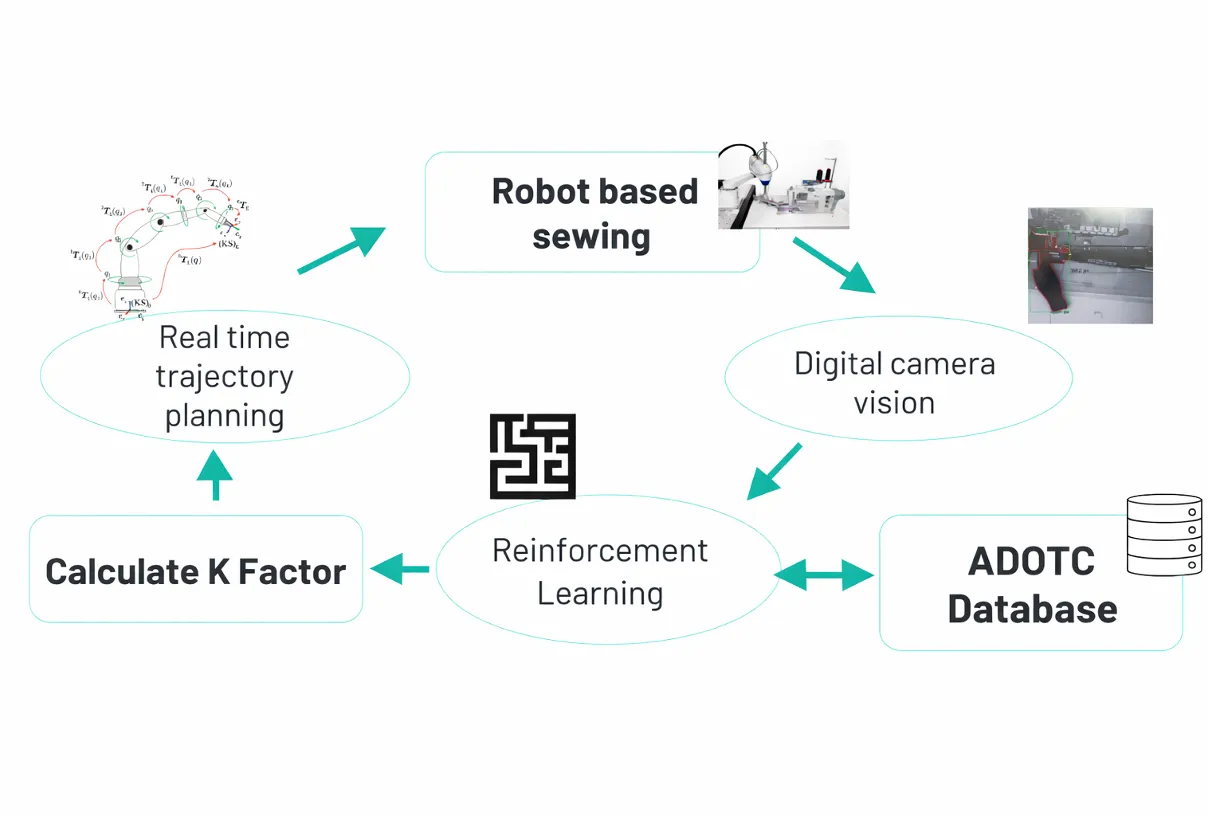
AI continuously optimises robot motion per garment type — adapting in real time.
Digital sequencing ensuring consistent quality, throughput, and production targets.
Live KPIs, anomaly detection, and remote diagnostics for industrial operators.
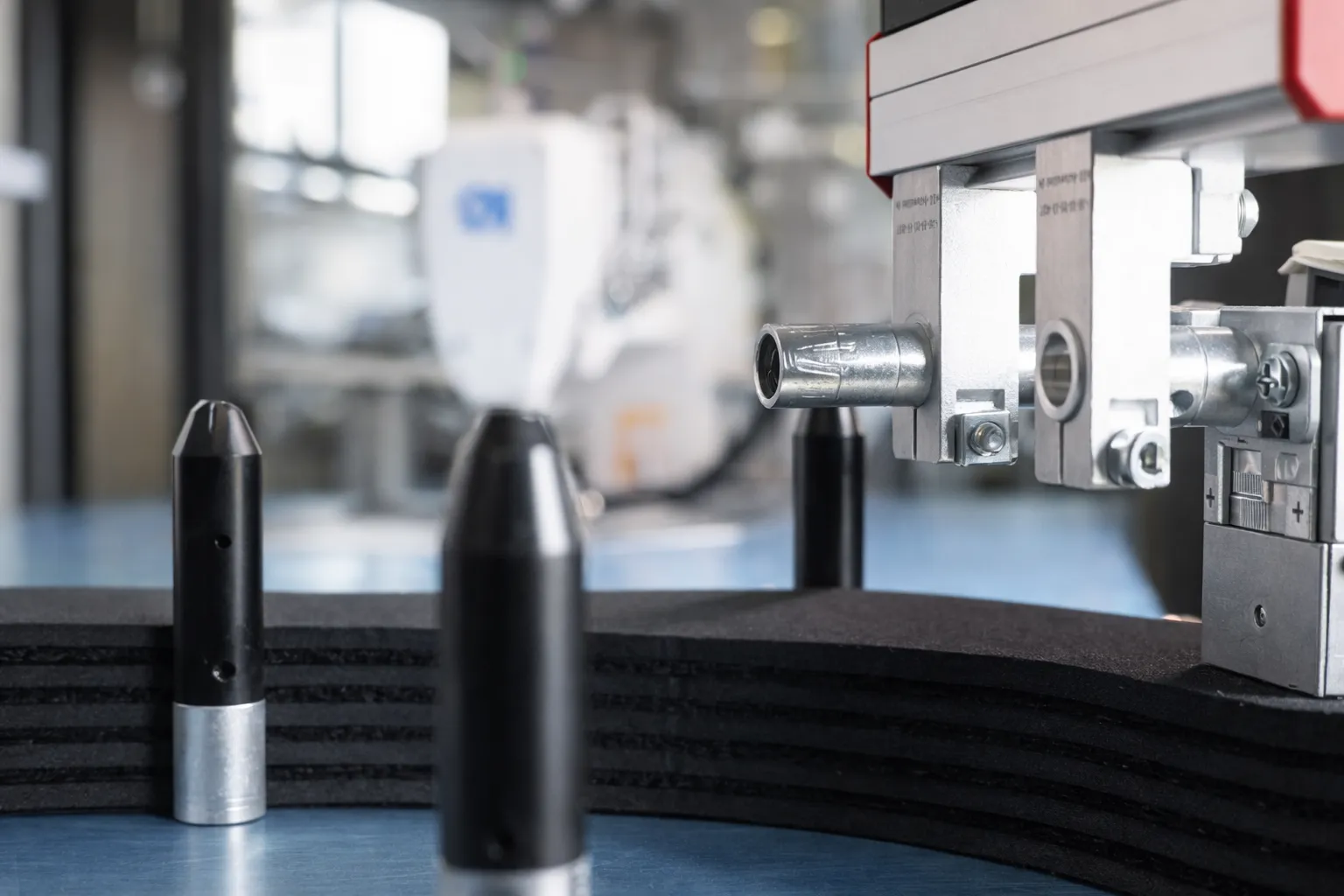
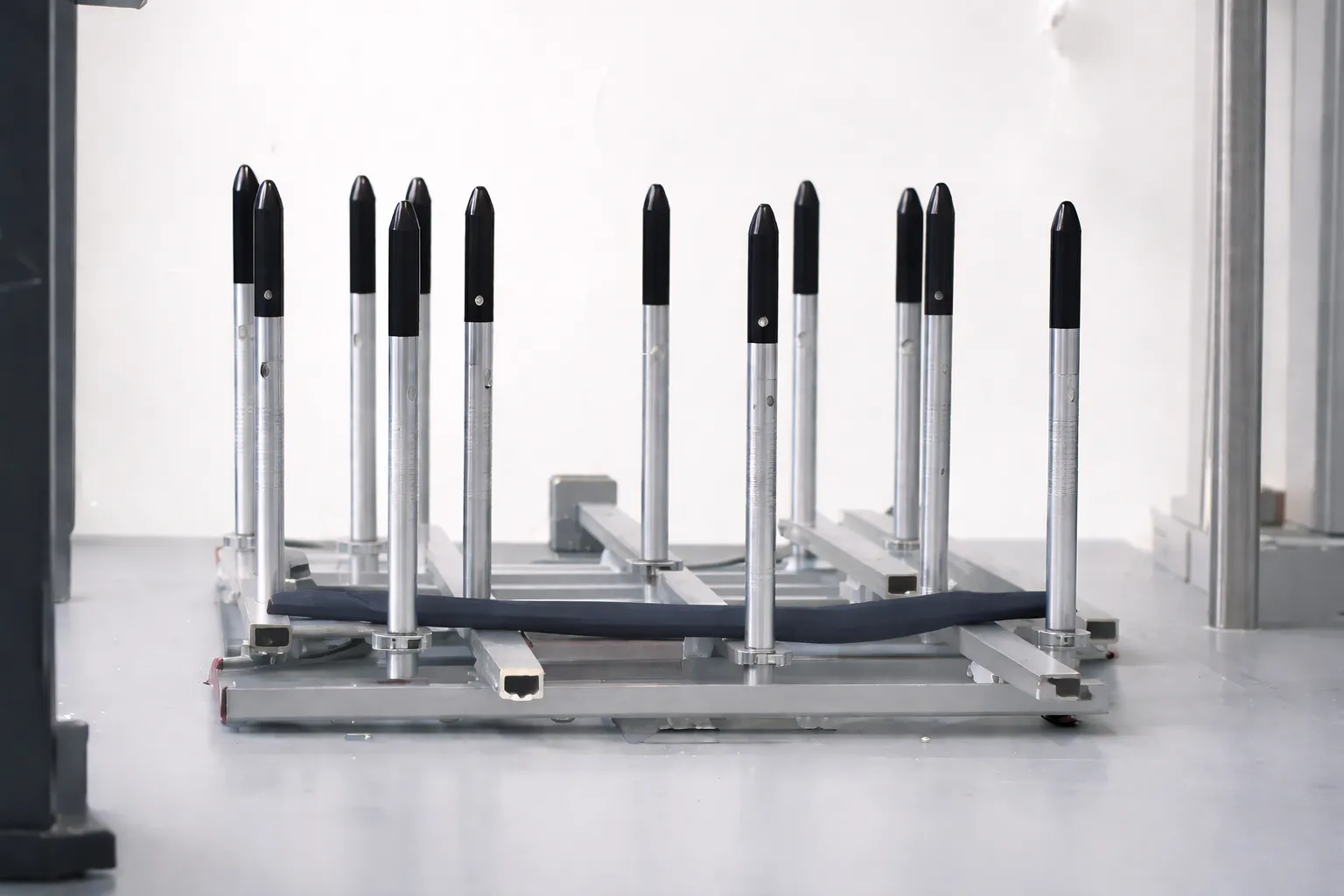
Supply of textile semi-finished goods.
Controlled gripping and alignment of flexible material.
Textile support during sewing, welding, bonding or handling operations.
Sensor input supports process stability and traceability.
Interfaces and software provide visibility beyond one isolated motion.
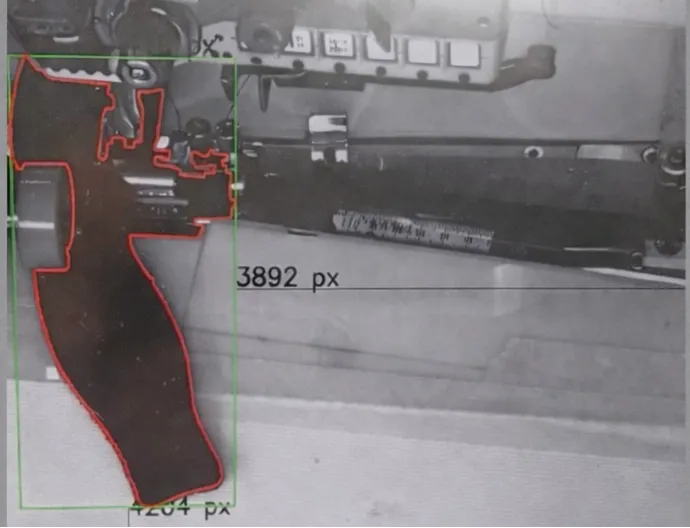
ADOTC uses image analysis and reinforcement learning to improve robotic perception, decision-making, and process stability in textile automation.
This helps robots better understand and respond to the behaviour of flexible materials, enabling more reliable handling, guidance, and joining of textiles under changing process conditions.
The goal is to enable robots to better interpret and respond to the behaviour of flexible materials.
This is essential because textiles can deform, shift, stretch, or fold during handling and sewing, welding or bonding, making automated processing significantly more complex.
Our robots adapt to process variation and continuously improve execution quality in real production environments.
By learning from process data and visual feedback, they can respond more robustly to changing material behaviour, tolerances, and operating conditions.
This supports more stable processes, higher repeatability, and more reliable automation in everyday textile production.
ADOTC combines its building blocks — robotic handling, process-specific end effectors, machine vision, AI-based control and a connected software layer — into one configurable platform. Rather than a fixed single-purpose machine, the same platform is adapted to different seam paths, products and materials, which is what makes flexible, scalable textile automation possible.









Tell us about your product, production step or automation challenge. We will assess whether a robotic approach is technically meaningful for your application.