
Apparel
Selected garment-related processes where repeatable handling and sewing are critical.
The applications page separates the main target areas and makes it easier to understand where ADOTC’s technology approach can be relevant.
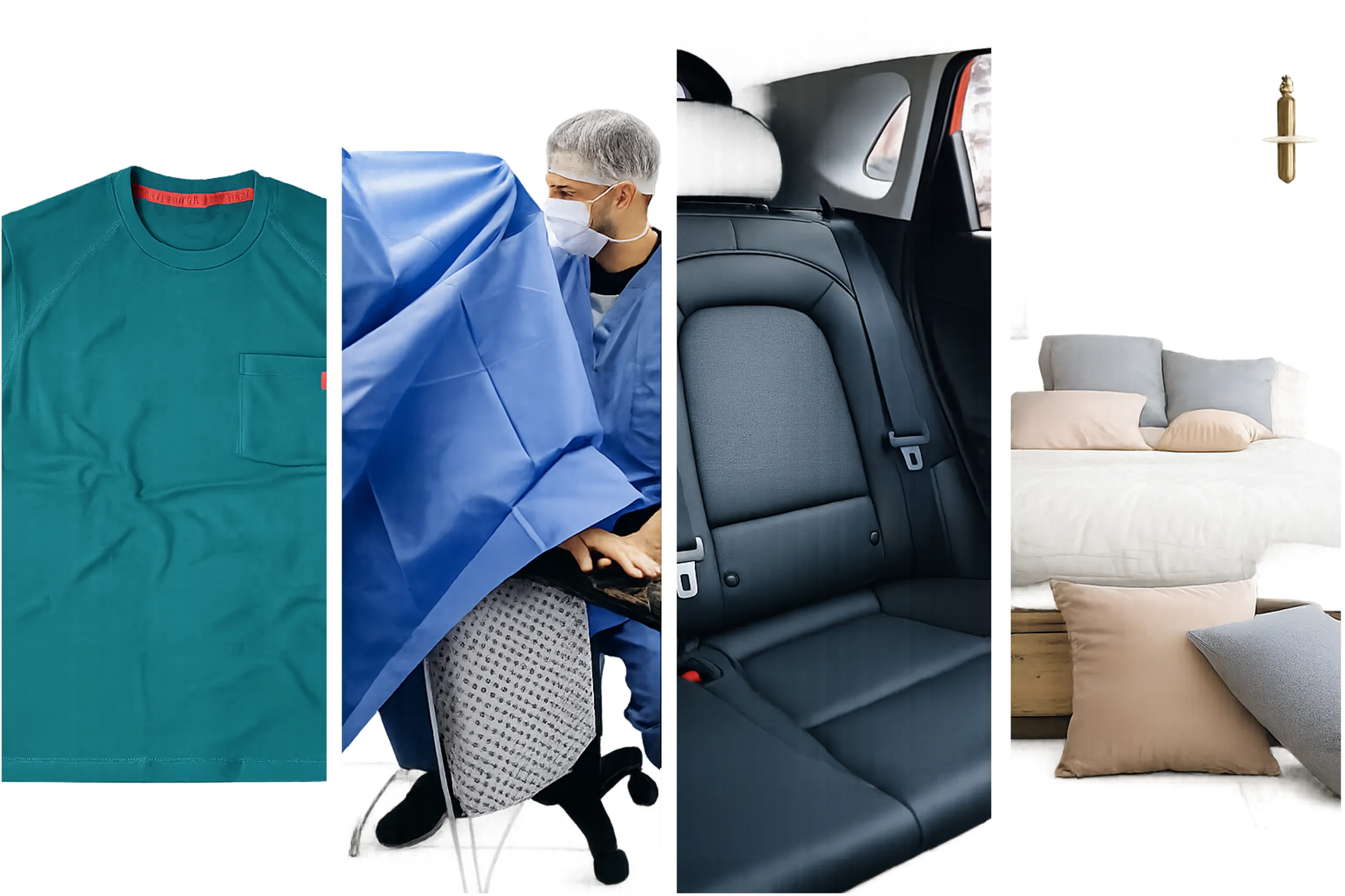
Selected garment-related processes where repeatable handling and sewing are critical.
Applications where consistency, cleanliness and process control matter.
Industrial textile parts with functional requirements and defined quality targets.
Sewn products in home and interior contexts with recurring process patterns.
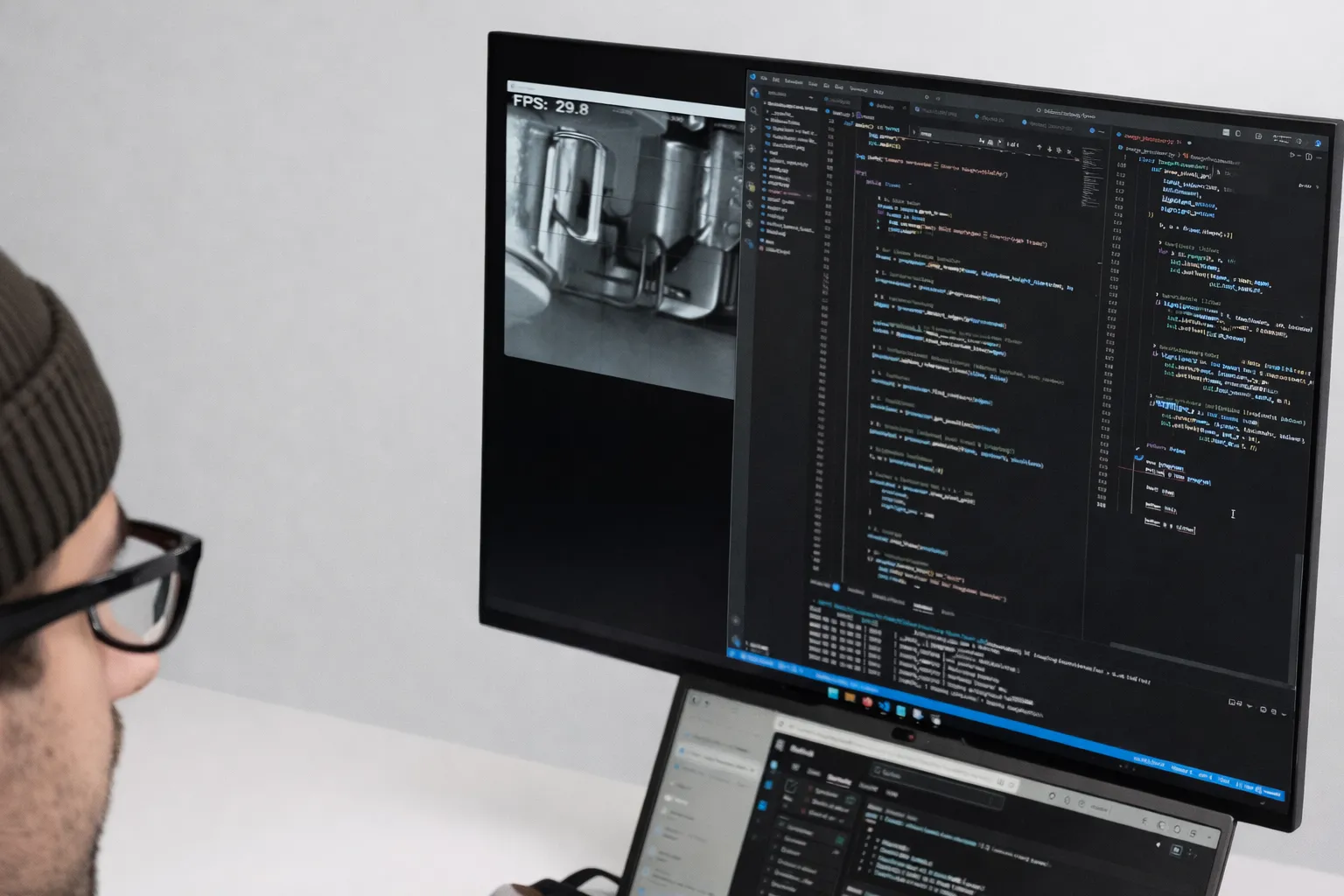
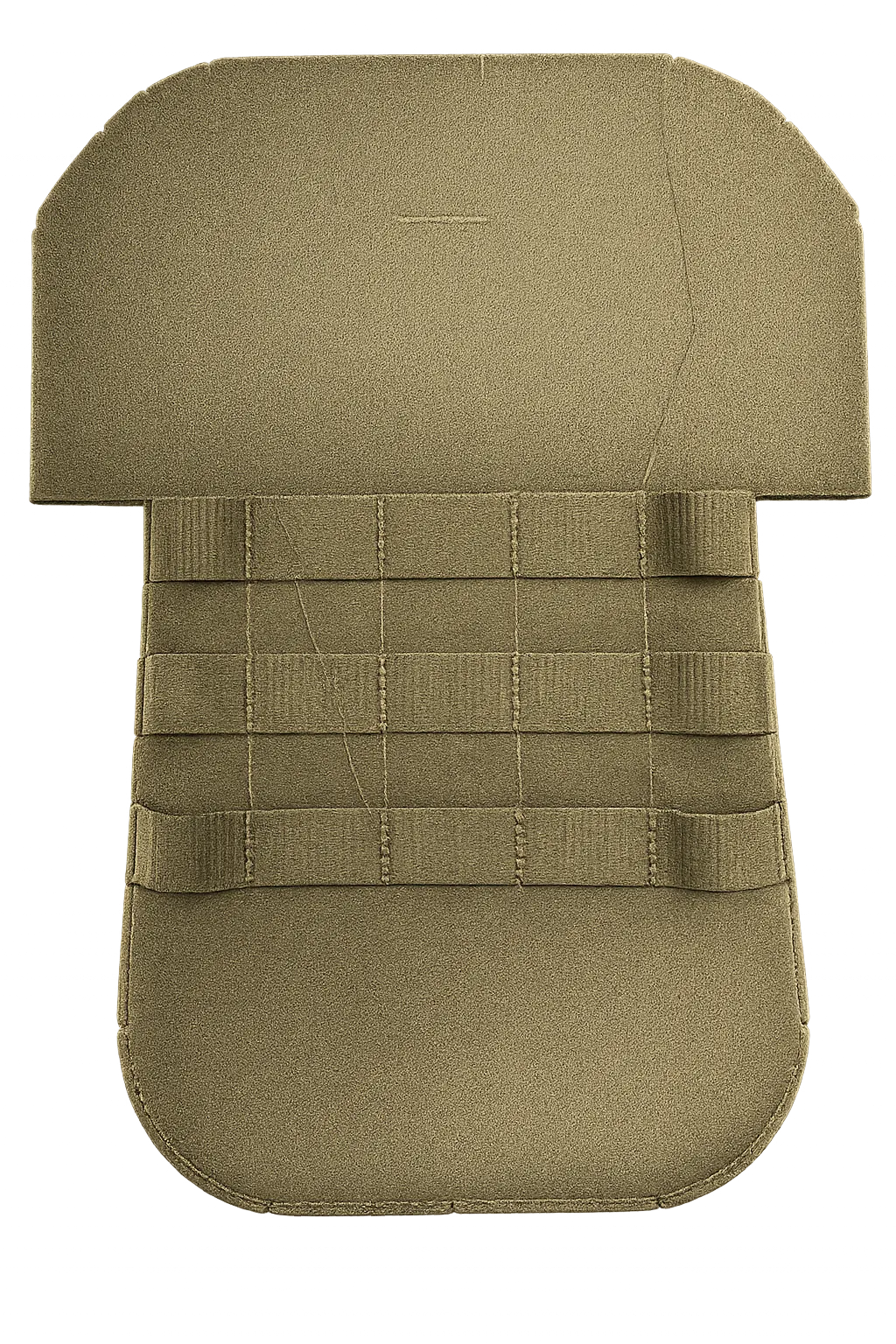
The application often already defines key requirements, for example in medical, technical, protective, or consumer-related use cases.
Relevant frameworks such as the EU Medical Device Regulation (MDR) 2017/745 or the PPE Regulation (EU) 2016/425 can directly influence the automation concept, traceability, and regulatory compliance of our solution.
We also work with a broad range of materials, such as:
Describe the join or seam, material and handling requirement.
We are experienced with all major stitch types, including:
and single- or double-needle applications.
Textile structures, such as:
whether finished, coated or not – are no problem for us.
In addition, we also specialise in other joining processes such as welding (ultrasonic, hot-air, etc.) and bonding.
Assess technical fit, pilot potential and implementation scope.
Production volume, cycle time, quality requirements, available space, energy costs, and other boundary conditions determine the economic feasibility and therefore the return on investment.
We assess the solution together with you from a holistic perspective.
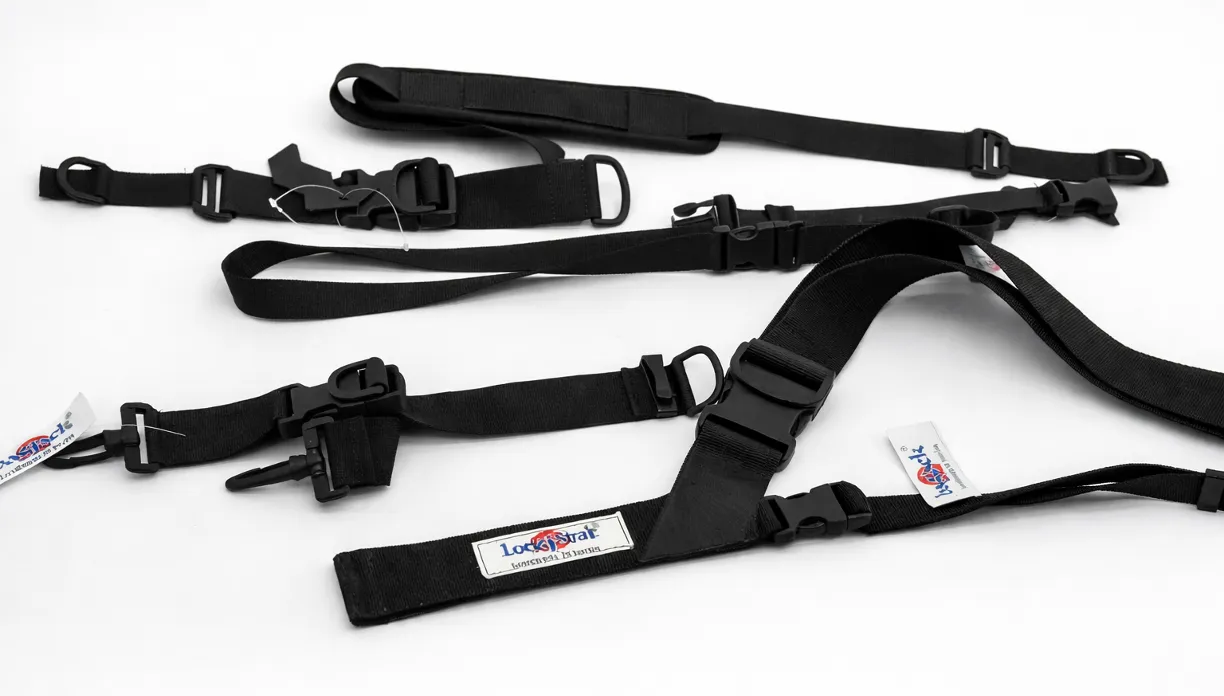
Not every textile process is equally suitable for automation.
Good candidates often have recurring join & seam paths, defined material behaviour, a stable handling sequence and a clear quality target.









Share the textile product, seam type or manufacturing step you want to evaluate.